Wuthering Heights
Number 2
Start reading
Start reading: Chapter 1
8 min
Loading your reading details…
About
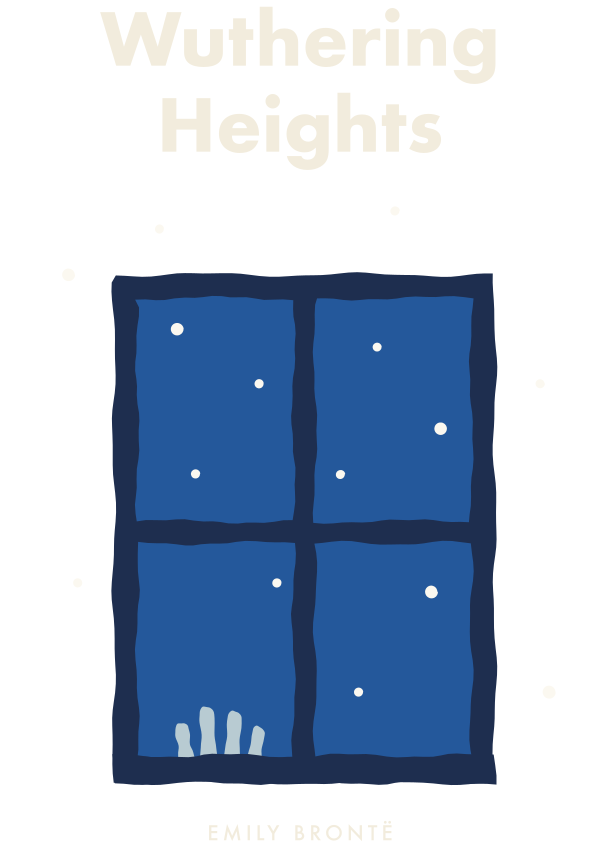
Mr Lockwood has rented a house on the Yorkshire moors to get away from society. A visit to his landlord suggests that he may have succeeded too well: Heathcliff scarcely welcomes him, the dogs resent his presence, and attempts at polite conversation make matters worse. Emily Brontë’s Gothic novel begins with this awkward outsider trying to understand a household whose hostilities he keeps mistaking for ordinary bad manners. Even beside a blazing fire, Wuthering Heights feels exposed to the weather.
Read more Read less
For company, Lockwood turns to his housekeeper, Nelly Dean, who has known the neighbouring families since childhood. Her story reaches back to Mr Earnshaw’s return from Liverpool with a homeless boy. Heathcliff’s arrival divides the household, but Catherine Earnshaw finds in him a companion for her unruly energy. The moors offer them space beyond the adults’ rules; indoors, affection has to contend with rank, resentment and the question of who belongs. Nelly tells it all with the confidence of someone who was there, while her own loyalties give you reasons to listen closely.
Brontë makes these rooms and voices intensely vivid. Joseph’s scolding, Catherine’s impatience and Lockwood’s bewildered courtesy bring sharp humour into a book capable of startling cruelty. A place at the table or permission to cross a threshold can carry the force of a threat. As one person’s account opens into another’s, you become absorbed in the work of understanding them: how tenderness can sit beside contempt, and why a shared childhood can matter more than the comforts a respectable household offers.
Contents
Show all 34 chapters
- Chapter 7 17 min
- Chapter 8 14 min
- Chapter 9 25 min
- Chapter 10 26 min
- Chapter 11 17 min
- Chapter 12 20 min
- Chapter 13 17 min
- Chapter 14 14 min
- Chapter 15 13 min
- Chapter 16 8 min
- Chapter 17 28 min
- Chapter 18 15 min
- Chapter 19 7 min
- Chapter 20 9 min
- Chapter 21 26 min
- Chapter 22 10 min
- Chapter 23 12 min
- Chapter 24 16 min
- Chapter 25 6 min
- Chapter 26 6 min
- Chapter 27 19 min
- Chapter 28 11 min
- Chapter 29 10 min
- Chapter 30 10 min
- Chapter 31 9 min
- Chapter 32 17 min
- Chapter 33 13 min
- Chapter 34 18 min
Back matter
Characters
Meet the characters, without giving the story away.
Mr Lockwood
The new tenant of Thrushcross Grange, seeking a quiet life away from society. His visits to his landlord introduce him to the difficult company at Wuthering Heights.
Heathcliff
Lockwood’s reserved, abrupt landlord, living at Wuthering Heights. Nelly’s account introduces him as a homeless boy brought into the Earnshaw household.
Ellen (Nelly) Dean
The housekeeper at Thrushcross Grange, who grew up among the Earnshaws. Lockwood asks her to tell him about the families she has served.
Joseph
An elderly servant at Wuthering Heights, given to religious admonitions and complaints. His broad Yorkshire speech adds to Lockwood’s difficulties as a visitor.
Hareton Earnshaw
A young man at Wuthering Heights whose rough clothes and manner leave Lockwood uncertain of his position in the household.
Mrs Heathcliff
The young woman Lockwood meets at Wuthering Heights, whose cold reception frustrates his attempts at polite conversation. Her place in the household puzzles him.
Mr Earnshaw
The father of Hindley and Catherine in Nelly’s account of the earlier household. He returns from Liverpool with a boy he has found in the streets.
Catherine Earnshaw
Mr Earnshaw’s spirited daughter, also called Cathy. As a child she forms a close attachment to Heathcliff and delights in escaping household discipline.
Hindley Earnshaw
Catherine’s older brother, who resents the attention his father gives Heathcliff. His hostility makes the newcomer’s place in the family precarious.
Edgar and Isabella Linton
The children of the neighbouring family at Thrushcross Grange. Their sheltered, comfortable home draws the curiosity of Catherine and Heathcliff.
Read next
Where to go when you’ve finished.
The Picture of Dorian Gray
by Oscar Wilde
Stay with Gothic unease and attachments that make affection difficult to separate from possession. Wilde exchanges the exposed moors for a London world of portraits, luxurious rooms and persuasive conversation.
Mansfield Park
by Jane Austen
For a quieter account of belonging, follow a dependent child into a household that continually reminds her of her place. Austen gives family power and unequal affection a different pressure through Fanny Price’s watchful perspective.
Northanger Abbey
by Jane Austen
Turn to Austen’s playful treatment of the expectations a forbidding house can arouse. Catherine Morland’s enthusiasm for Gothic novels offers a change of pace while keeping the difficulty of reading people in view.
Edition
Original work and source edition
- First published
- 1847
- Language
- English
- Author
- Emily Brontë
Project Gutenberg contributors
Thank you to the volunteers who prepared the source text.
- Contributors
- David Price
- Source
- Project Gutenberg, eBook #768