Oscar Wilde
Works
1 in the collection, in order of publication
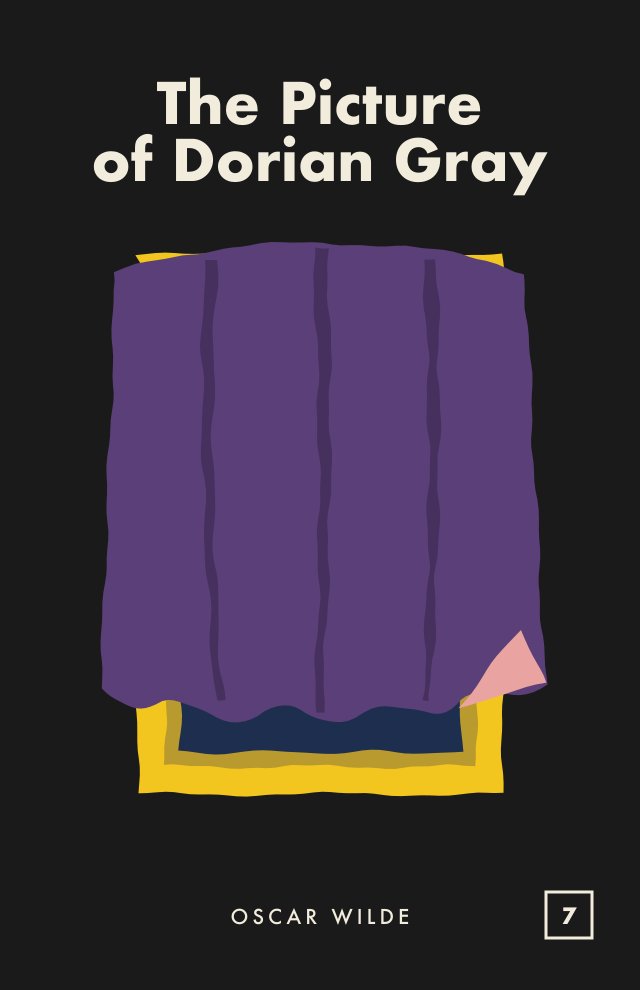
The Picture of Dorian Gray
1891 · Novel
Not yet on Entold
- Ravenna 1878 · Poem
- Vera; or, The Nihilists 1880 · Play
- Poems 1881 · Collection
- The Duchess of Padua 1883 · Play
- The Happy Prince and Other Tales 1888 · Collection
- The Soul of Man Under Socialism 1891 · Essay
- Intentions 1891 · Collection
- Lord Arthur Savile’s Crime and Other Stories 1891 · Collection
- A House of Pomegranates 1891 · Collection
- Salomé 1893 · Play
- Lady Windermere’s Fan 1893 · Play
- The Sphinx 1894 · Poem
- Poems in Prose 1894 · Collection
- A Woman of No Importance 1894 · Play
- The Ballad of Reading Gaol 1898 · Poem
- The Importance of Being Earnest 1899 · Play
- An Ideal Husband 1899 · Play
- De Profundis 1905 · Letter
- A Florentine Tragedy 1907 · Unfinished
- La Sainte Courtisane; or, The Woman Covered with Jewels 1908 · Unfinished
Reading guide
Begin with Wilde’s quick exchanges on stage, or take a quieter route through his fairy tales. His novel and prison writing offer two different ways to continue beyond the comedy.
Start here
The Importance of Being Earnest
The dialogue gives a direct introduction to Wilde’s habit of turning ordinary social rules upside down. Read it with an ear for timing: the characters’ complete confidence makes their absurd assumptions especially funny.
Not yet in the collection
For shorter reading sessions
The Happy Prince and Other Tales
Each fairy tale offers a distinct encounter with Wilde’s tenderness and his sharp sense of vanity. Their storytelling is accessible, but the questions they raise about generosity and suffering can stay with you beyond the last page.
Not yet in the collection
For a darker story
The Picture of Dorian Gray
Choose the novel if you want Wilde’s wit within a sustained Gothic narrative. The movement between glittering conversation and private unease makes it a useful route into his questions about beauty, influence and moral responsibility.
In the collection · About 5 hr 16 min at 250 words per minute
Read next
De Profundis
After the fiction, this prison letter brings a more exposed and argumentative voice into view. Allow space for its shifts between memories of a damaged relationship and reflections on suffering, imagination and spiritual renewal.
Not yet in the collection
Biography
Oscar Wilde was an Irish playwright, novelist, poet and essayist whose writing turns elegance and wit into questions about desire, reputation and the claims of art. His comedies let characters say the unexpected with perfect assurance, exposing the rules beneath polite society. The fairy tales of The Happy Prince and Other Tales combine tenderness with satire, while his only novel, The Picture of Dorian Gray, gives the pursuit of beauty a darker, Gothic form.
Born in Dublin in 1854, Wilde studied at Trinity College Dublin and Magdalen College, Oxford, before building a literary career in London. He became a public advocate of aestheticism, which valued art beyond its usefulness or moral instruction. Essays collected in Intentions explore those ideas through argument and dialogue; plays including Lady Windermere’s Fan and The Importance of Being Earnest bring his fascination with appearances and self-invention into the drawing room.
In 1895 Wilde was convicted of gross indecency for sexual acts with men and sentenced to two years’ hard labour. His imprisonment informs De Profundis, the long letter he wrote to Lord Alfred Douglas in Reading Gaol, and The Ballad of Reading Gaol, published after his release. He spent his remaining years abroad and died in Paris in 1900.
- Born
- 1854
- Died
- 1900
- On Entold
- 1 of 21 works