Jane Austen
Works
7 in the collection, in order of publication
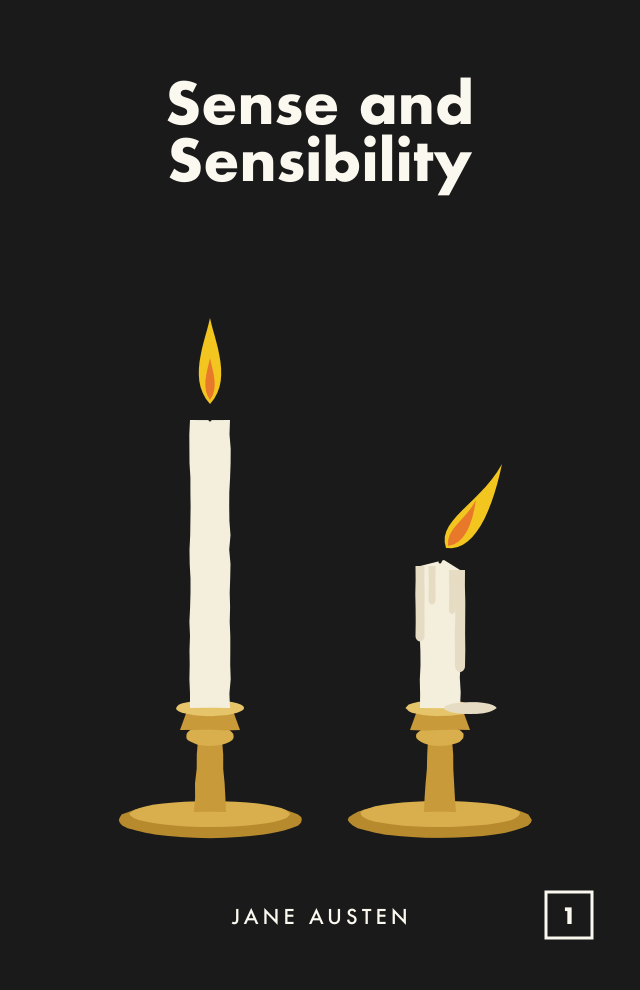
Sense and Sensibility
1811 · Novel
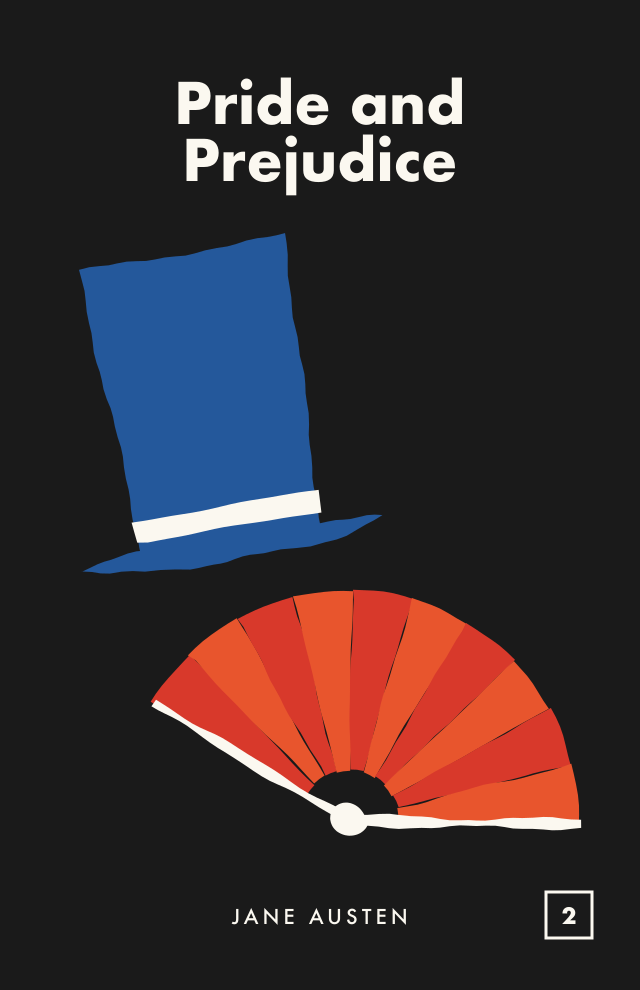
Pride and Prejudice
1813 · Novel

Mansfield Park
1814 · Novel
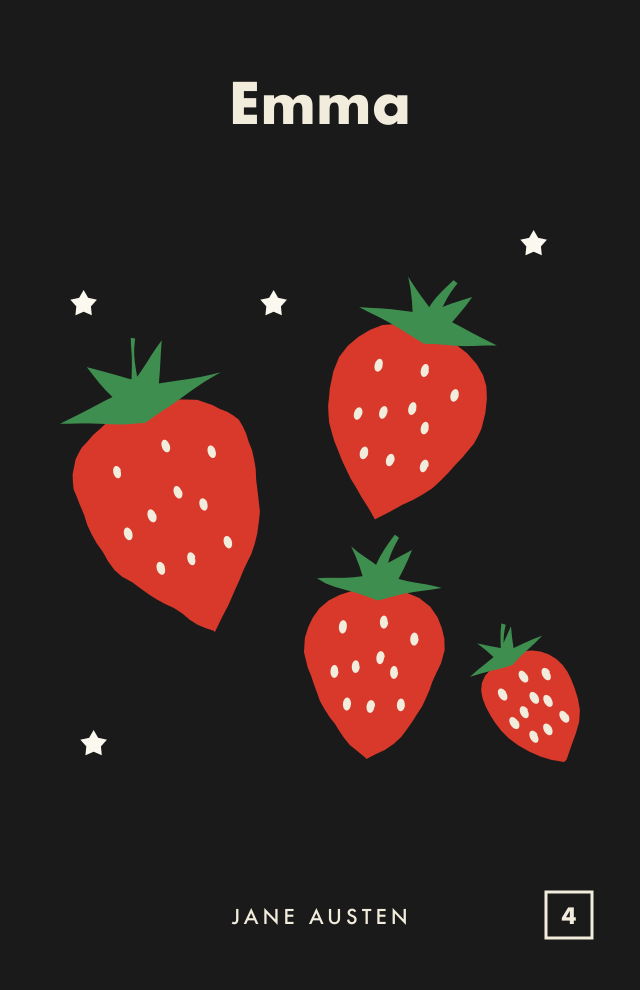
Emma
1815 · Novel
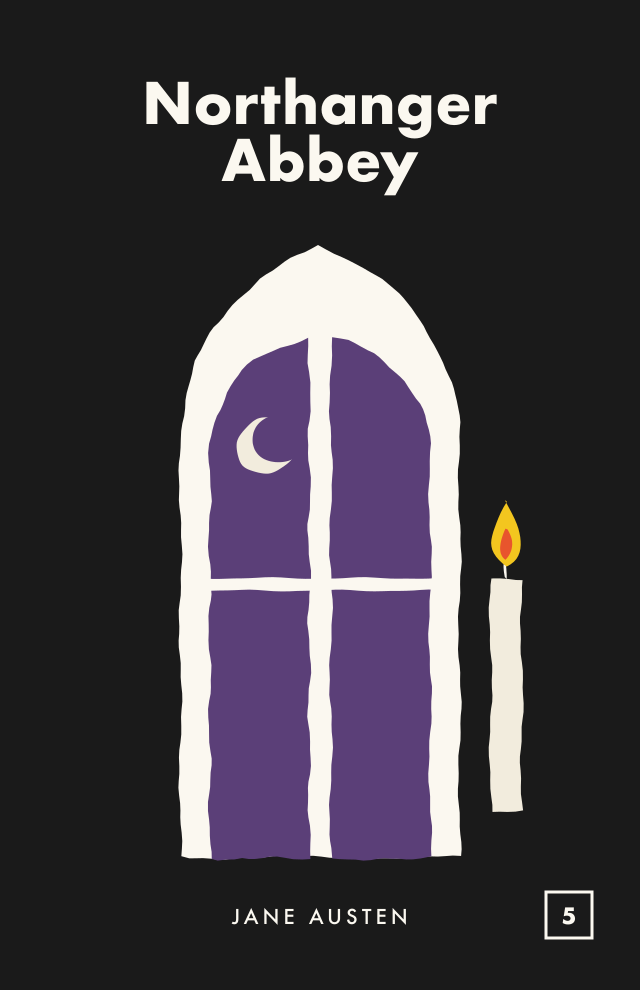
Northanger Abbey
1817 · Novel · Posthumous
Persuasion
1817 · Novel · Posthumous
Lady Susan
1871 · Novella · Posthumous
Not yet on Entold
- The Watsons 1871 · Unfinished
- Juvenilia: Volume the Second 1922 · Collection
- Sanditon 1925 · Unfinished
- Juvenilia: Volume the First 1933 · Collection
- Juvenilia: Volume the Third 1951 · Collection
Reading guide
Austen’s novels differ in pace and feeling, even when their characters share a world of visits, family obligations and marriage prospects. Pride and Prejudice is a lively starting point; the alternatives offer more playful or more reflective company.
Start here
Pride and Prejudice
Elizabeth Bennet’s quick judgments make an inviting introduction to Austen’s wit. Courtship, family embarrassment and the pressure to marry keep the story moving, while each conversation gives you another reason to reconsider the people in it.
In the collection · About 8 hr 7 min at 250 words per minute
For playful comedy
Northanger Abbey
Choose this if you enjoy a book that teases its own readers. Catherine Morland brings the expectations of Gothic fiction into drawing rooms and country houses, giving Austen room to explore the gap between imagined dangers and ordinary selfishness.
In the collection · About 5 hr 9 min at 250 words per minute
For a quieter romance
Persuasion
Anne Elliot’s encounter with a former love offers a more reflective way into Austen. Small gestures carry the weight of years, making this a good choice if you prefer restrained feeling, regret and the possibility of a second chance.
In the collection · About 5 hr 33 min at 250 words per minute
Read next
Sense and Sensibility
Elinor and Marianne bring different expectations to the same household, giving Austen room for both sisterly affection and exasperation. Read this next for more of the family comedy of Pride and Prejudice, with closer attention to feelings that are difficult to share.
In the collection · About 7 hr 55 min at 250 words per minute
Biography
Jane Austen was an English novelist whose stories of courtship make room for sharp questions about money, judgement and women’s freedom to choose their lives. Her characters visit, dance and exchange apparently ordinary remarks, while her narration lets readers hear the vanity or uncertainty beneath them. The wit of Pride and Prejudice and Emma sits beside the quieter pressures of dependence and regret in Mansfield Park and Persuasion.
Born at Steventon Rectory in Hampshire in 1775, Austen grew up in a large family that enjoyed books, writing and amateur theatricals. Her teenage stories parody the sentimental fiction and improving histories she read, often with a wildness that complicates the familiar image of a decorous novelist. The family moved to Bath in 1801; after her father’s death in 1805, Austen, her mother and her sister Cassandra lived on a reduced income. A settled home at Chawton, provided by her brother Edward in 1809, gave her a base from which to revise earlier manuscripts and write new novels.
Sense and Sensibility appeared in 1811, credited simply to “a Lady”, followed by Pride and Prejudice, Mansfield Park and Emma. Austen died in Winchester in July 1817, leaving Sanditon unfinished. Northanger Abbey and Persuasion were published together that December, with title pages dated 1818 and a biographical notice by her brother Henry identifying her as the author. Her surviving letters, early writings and unfinished fiction extend the picture of a writer whose careful attention to everyday life was already present in her youthful experiments.
- Born
- 1775
- Died
- 1817
- On Entold
- 7 of 12 works